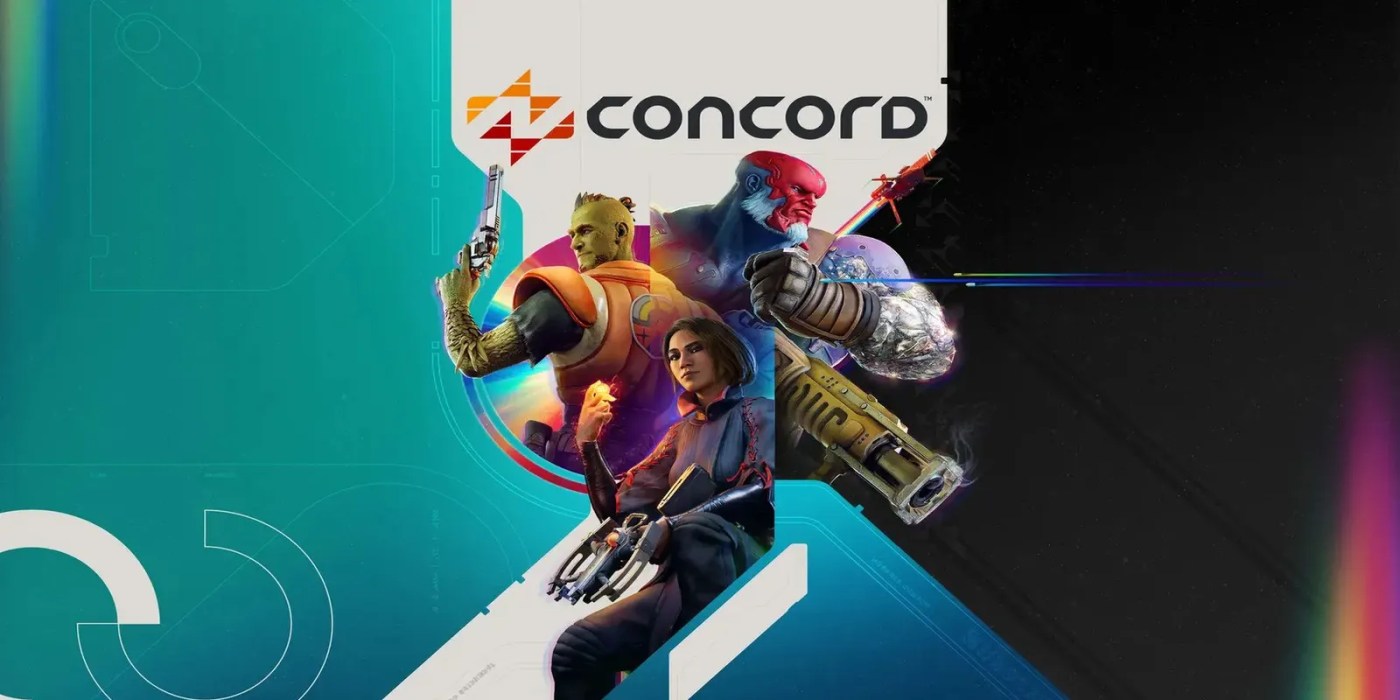
I started writing this on September 6th, the day Concord, PlayStation ill-fated live-service shooter goes offline. The title only launched a fortnight(ish) ago, and at no point from its full unveiling did it feel like it would be able to really be anything more than a meme. Regardless of how good Concord might have been, it feels like it was never destined for greatness. I’ve spent the following weekend adding to this and collating my thoughts on the genre as something of a “stream of consciousness” piece. I’m publishing it as is because if I try to edit it down I feel I’ll lose a lot of the momentum behind it.
I recall my own feelings during the full unveiling of it in a State of Play a few months ago. A CGI trailer showing of a colourful cast of characters in a vaguely Guardians of the Galaxy-ish setting. My ears pricked up, and my attention was caught. And then came the gameplay, and the balloon deflated within me.
Constant pulse
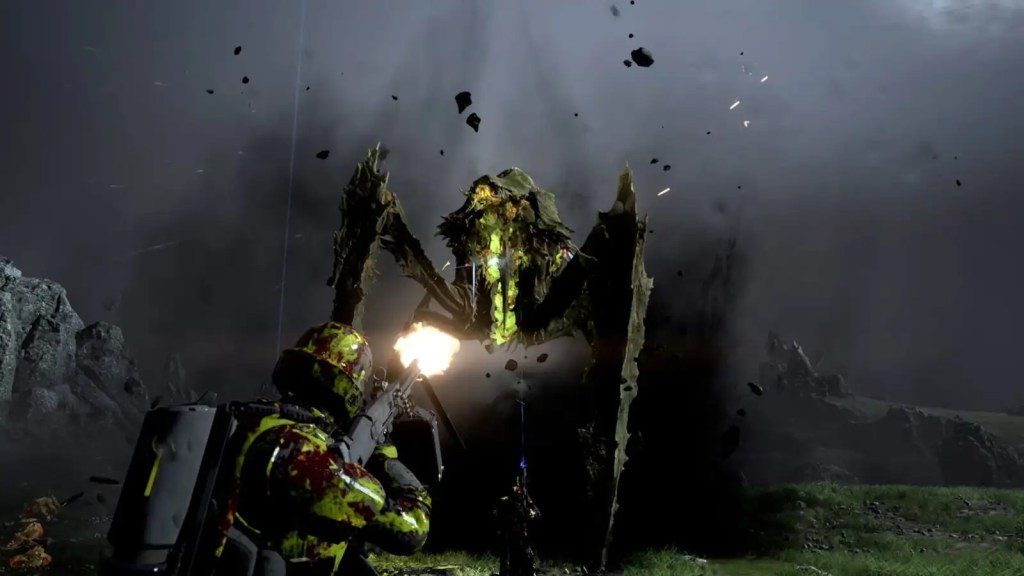
I’m not a live-service player. I tried Destiny on release, I’ve obviously dabbled with Fortnite. Only Helldivers II has really held my attention, and that’s more to do with it being PvE in nature, rather than PvP. These types of games do not appeal to me, but I know they have an audience and a place in the industry.
I also understand why they’re so appealing to publishers. One game that hundreds of thousands, if not millions, log into on a daily basis? Development costs and times and slashed because your studios only have one game to work on in perpetuity. And the cash just rolls in!
The problem is, everyone is thinking that. Every major publisher wants their own live service, or ways to implement live service features. That’s why every sports game has monthly challenges to unlock players or whatever. That’s why every shooter has a battle-pass. If we can’t do a live service, let’s build live services into our annual releases.
Forever blowing bubbles
I feel like the live service bubble has burst, a bit. Off the top of my head, two major failures in 2024 (Concord and Suicide Squad) have been cut from the live service cloth. If Rocksteady, one of the industry’s golden children, can’t make a Batman-adjacent title work in that space, what hope does a totally new IP have?
Concord was reportedly in development for around 8 years, and had a budget stretching 9 figures. That’s an absurd amount of time and money for any title, let alone of that failed so hard it didn’t even make it past a month in the wild. Given it was green-lit in the wake of Overwatch‘s absurd success, all you can say is it’s another example of trend-chasing failing to bear fruit.
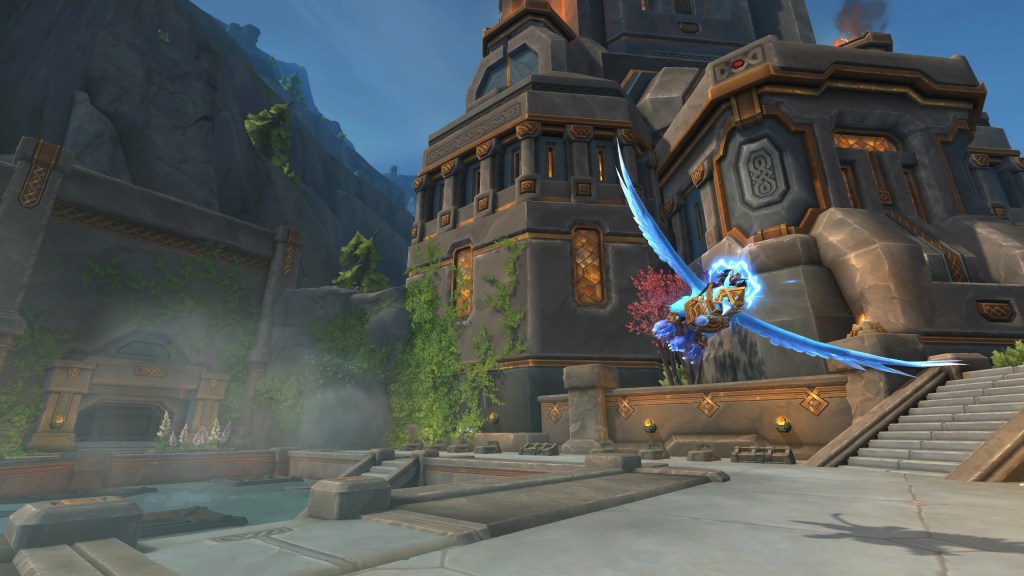
Remember the early 2000s? All people were talking about was World of Warcraft. An MMO that redefined what an MMO was capable of. Millions logging in daily, paying a monthly fee, it felt like it was the future. And, apparently, tonnes of other studios thought the same because a billion or so were released in the following years. Most of them failed completely because they were competing with something everyone interested in the genre wanted to play.
Later that decade every single game, regardless of genre, needed a multiplayer aspect. That was where the money was. So traditionally single-player experiences like Mass Effect, Assassin’s Creed, and Dead Space all had multilayer modes slapped on the side. Everyone who played them did so for about a week before realising that wasn’t why they bought the game.
Season-passes, online passes, everything being an open world, for some reason. Live services are the latest in a line of ideas picked up by publishers in an attempt to siphon more cash from its consumers. And, like everything that came before, they don’t seem to understand what made those ideas appealing to begin with.
Chasing the trend
Do you remember in the earlier 2010s when Netflix first came out? It had everything you wanted to watch, for a low fee. It was great, and it seemed everyone loved it. Then film conglomerates saw its success, and decided they wanted their own streaming platform. And then Amazon Prime, Disney+, Patamount+, and more popped up. And all of the sudden streaming platforms had become less appealing, because they’d taken all their content off of Netflix and onto their own platforms, and everyone was charging more to access it. This is basically that. A complete misunderstanding as to what made Netflix good to begin with in favour of chasing the dream of exponentially growing profits which can’t possibly come to pass.
The live service bubble shrinking (possibly bursting) is a problem of the industries own making. People are not as cash-rich in 2024 as they were 15 years ago. A game you can buy for a lower price (or free), that can be played for ages with regular updates should be the ideal tonic to a dying global economy. But when you flood the market with games that demand your attention at all times, you have to ask; how can you expect us to find the time to play them all?
The industry is, also, seemingly demanding single-player titles take place within a massive open world with enough content to last hundreds of hours. So they’ve effectively created a scenario where the snake is eating itself. We don’t have the time to play every live services because we’re only a portion of the way through their single-player games. And, as a result, we can’t get into all their single-player titles because our time is taken up by live services. Make up your minds.
Messiah Bot
It feels apt, then, that, on the day Concord was unceremoniously canned, another PlayStation title took the plaudits that is, for all intents and purposes, the exact opposite of everything Concord is. Astro Bot, a single-player mascot platformer that has opened with a 94 metacritic rating. No paid DLC, no season pass, just levels and levels of masterful game design. You start a level, you finish a level, you move on. And when it’s done, as much as you’d want there to be more, that’s it. The sort of title PlayStation used to be known for. The sort of thing, that, maybe, it can be again.
This isn’t to say live services cannot exist in the modern era. They obviously can. But the odds of breaking out are stacked against you. When you know full well the audience you’re trying to crack already has its service title of choice, you have to ask; why put all your eggs into that particular basket?
I don’t think we’ll see a huge push for smaller-budget single-player titles. Live services are part of the industry now, they have a right to exist as much as any genre. But I do think we’ll see a slight recalibration. Bungie, who effectively finished Destiny 2 with its The Final Shape expansion earlier this year, announced how they plan to extend that game’s life on Monday 9th. It wasn’t too long ago their next live service title, Marathon, was unveiled during a State of Play. At this stage, I wonder if Sony would rather keep Destiny 2 going over starting again.
The future
I suspect the green-lighting of the genre will slow down a bit. Might see one or two more attempts from the big guns before it slows for a bit. Maybe a bit of a resurgence towards the end of the generation to try to build some momentum from these consoles into the next. Concord might be part of that. I’d bet anything it’s re-developed into a free-to-play title or pushed onto PlayStation Plus to try and rebuild its reputation. For now, it feels like something of a watershed for the genre. Gaming history, we’re living through.
 Yet Another Gaming Blog
Leave a comment